Sales Force Automation App for your Field Employees
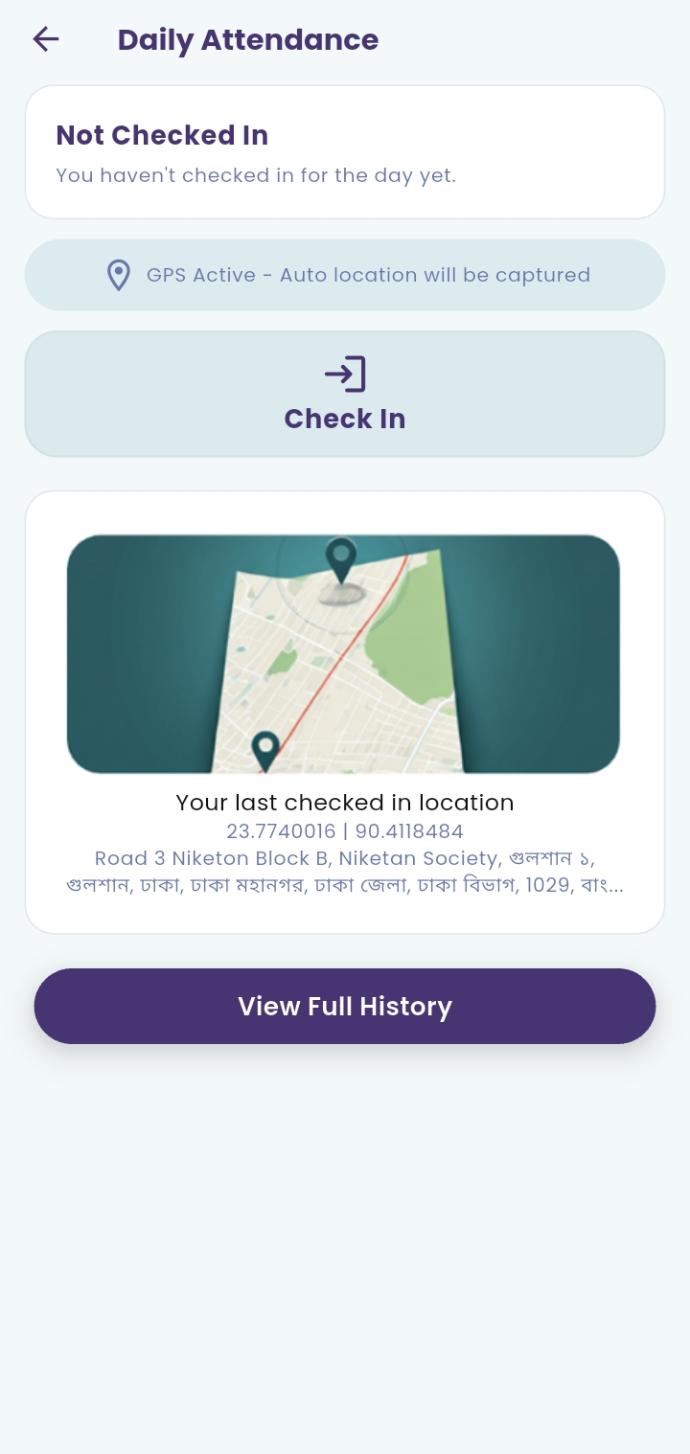
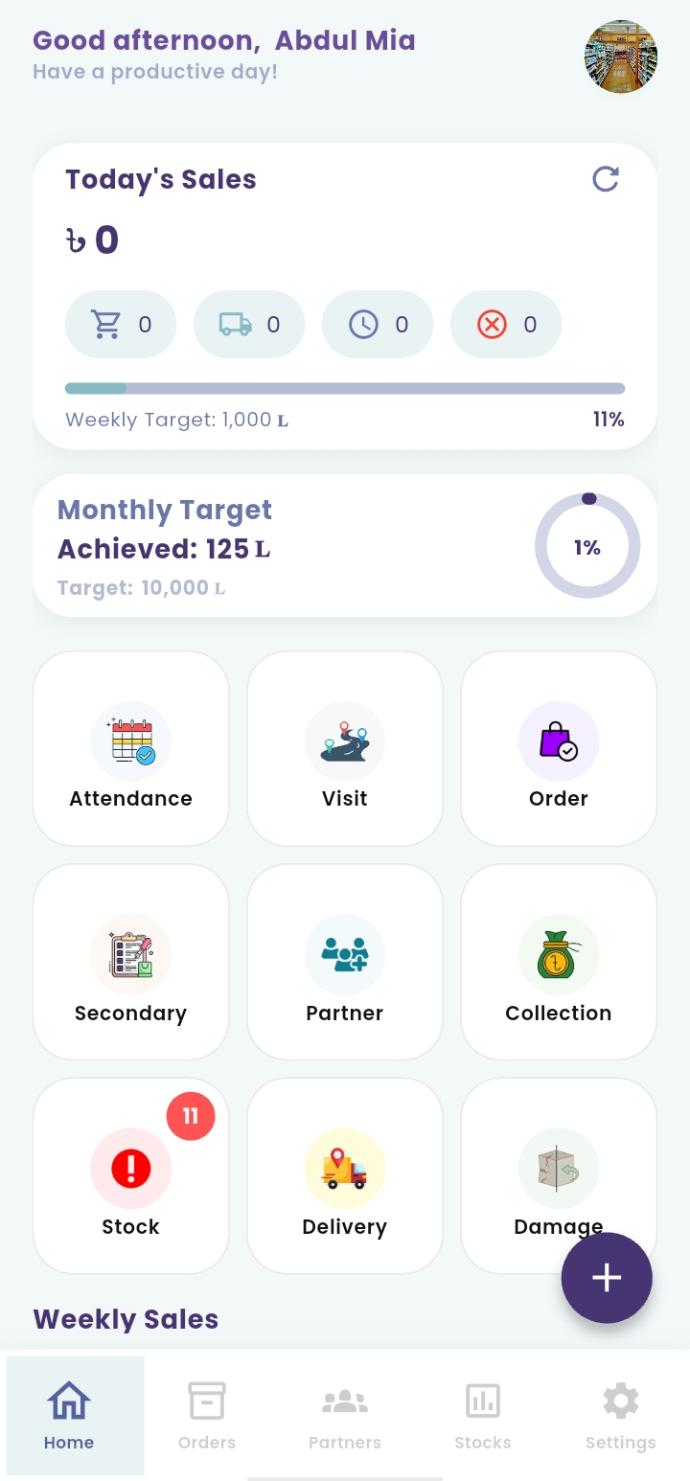
Designed for manufacturers, wholesalers and distributors to streamline their field sales activities and to accelerate sales.Used by 100,000+ Sales Representatives
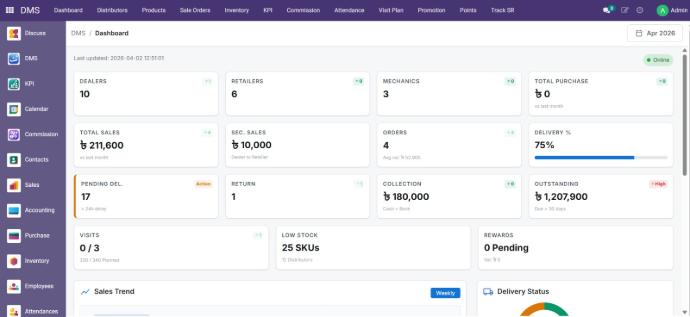
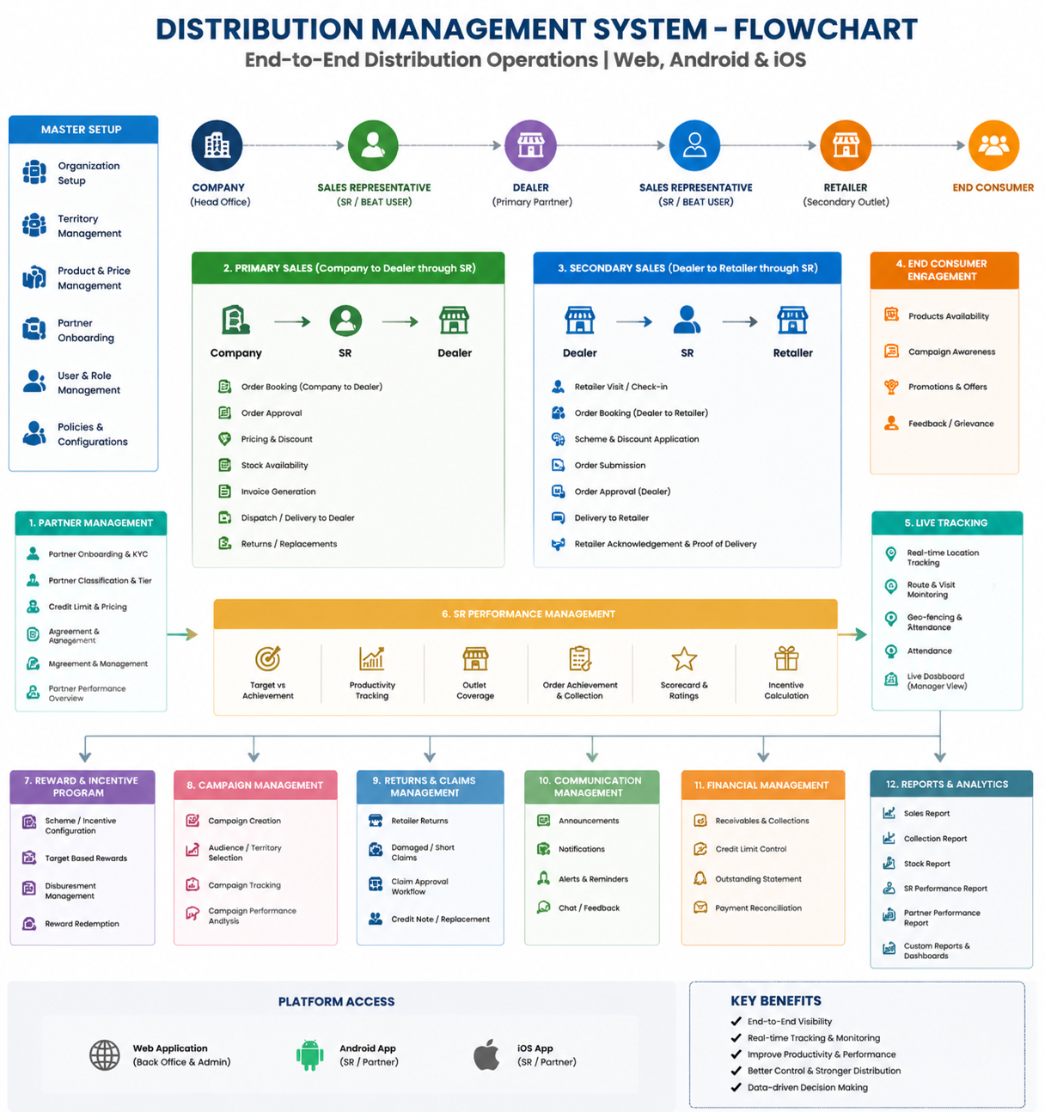
Streamlining Distribution and Sales with Cutting-Edge DMS & Sales Force Apps
Boosting Efficiency, Performance, and Growth
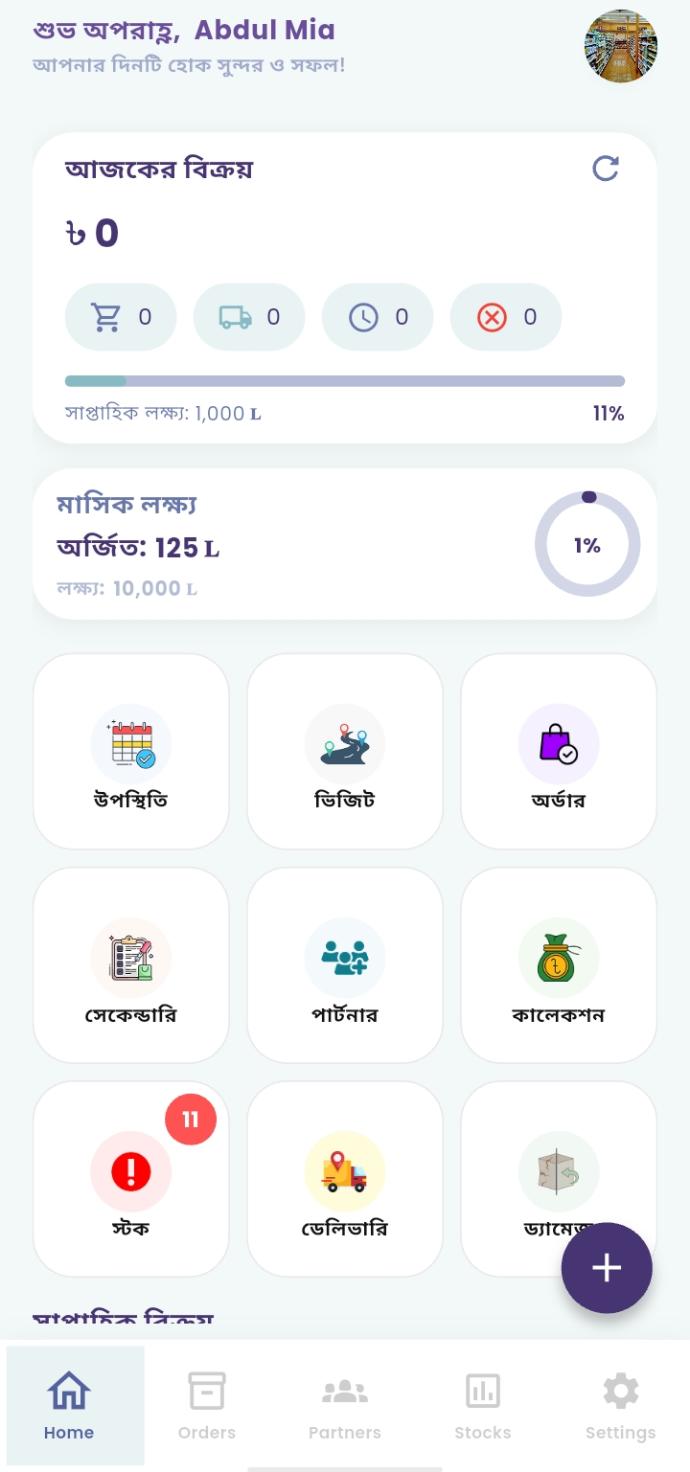
Sales Force Automation App for your Field Employees
Designed for manufacturers, wholesalers and distributors to streamline their field sales activities and to accelerate sales.Used by 100,000+ Sales Representatives
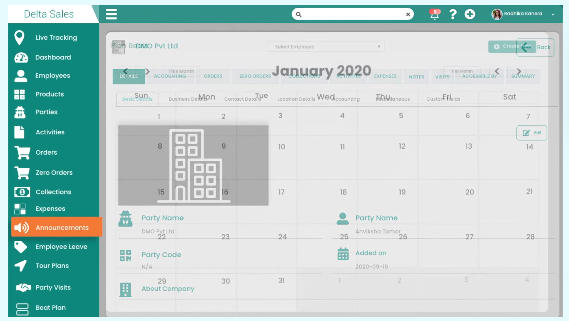
Sales Force Automation App for your Field Employees
Designed for manufacturers, wholesalers and distributors to streamline their field sales activities and to accelerate sales.Used by 100,000+ Sales Representatives
Sales Force Automation App for your Field Employees
Designed for manufacturers, wholesalers and distributors to streamline their field sales activities and to accelerate sales.Used by 100,000+ Sales Representatives
Sales Force Automation App for your Field Employees
Designed for manufacturers, wholesalers and distributors to streamline their field sales activities and to accelerate sales.Used by 100,000+ Sales Representatives
Sales Force Automation App for your Field Employees
Designed for manufacturers, wholesalers and distributors to streamline their field sales activities and to accelerate sales.Used by 100,000+ Sales Representatives
Customer Success Stories
Brands That Trust Us












What Our Customers Say
"Proin a nisi id turpis pharetra fermentum ac eu sem. Morbi ullamcorper mi quis porttitor interdum. Maecenas luctus varius interdum. Duis commodo tincidunt velit non bibendum. Phasellus placerat sodales nunc."

John Doe
Designer"Fusce sagittis ac orci sed tristique. Suspendisse a lobortis augue. Maecenas scelerisque varius mattis. Sed auctor fermentum libero, sed ullamcorper elit laoreet venenatis. Cras ac ex enim. Suspendisse sodales volutpat."

Vivamus Tem
DeveloperAwards and Recognition

Latest Blogs
FMCG Growth Guide
Get the complete FMCG guide today
Frequently Asked Questions
A Distributor Management System (DMS) is a digital solution that helps brands manage their primary sales, distributor network, inventory, and orders. It offers real-time visibility into stock levels, order status, and distributor performance — helping businesses streamline operations, reduce manual errors, and gain complete control over their distribution process.
A Distributor Management System (DMS) improves inventory accuracy, speeds up order processing, and offers real-time sales visibility. It reduces stockouts, improves distributor coordination, and enables better decision-making through data-driven insights. Ultimately, it helps your team work more efficiently and boosts overall supply chain performance.
By automating order processing, improving inventory planning, and streamlining distributor coordination, a Distribution Management System helps reduce several hidden costs in your distribution cycle. It minimizes errors, avoids stock wastage, cuts down delivery delays, and optimizes van sales routes. Additionally, better demand forecastHow Does A Distributor Management System Help Reduce Distribution Costing prevents over-purchasing, which means lower inventory holding costs. All of this adds up to leaner, more cost-effective distribution.
Primary Sales refers to the sale of goods from the company (manufacturer) to dealers or distributors.
Secondary Sales refers to the sale of goods from the dealers to retailers or end consumers, often tracked to understand the market reach and demand.
Yes, a DMS tracks sales performance by providing real-time data on both primary and secondary sales, helping businesses analyze the effectiveness of their distribution strategies, identify top performers, and take corrective actions if needed.
Yes, a DMS offers live tracking features, which allow you to monitor the status of sales, shipments, and inventory in real time. This helps improve decision-making and efficiency by providing up-to-date information on all sales activities.
The reward program in DMS incentivizes dealers, sales reps, and other stakeholders by offering rewards based on performance metrics, such as meeting sales targets or achieving certain milestones. This motivates sales teams and encourages better performance.
Yes, DMS integrates campaign management tools that allow businesses to run sales campaigns, promotional offers, and discounts. It helps track the success of these campaigns and their impact on sales.